
Bridging Clinical Practice, Rights, and Accountability
By Owen Malingu, Africa Health Law Researcher, ‘24 and Trainee Lawyer, SOKLaw Advocates, ‘26
The Medical Law Moot on Health and Medical Negligence at Daystar University Law School on 14th November 2025 was more than a competitive academic exercise; it was a vivid simulation of the real-life tensions that arise when medicine, law, and human rights collide. Anchored on a carefully crafted hypothetical involving alleged obstetric negligence, the moot challenged participants to interrogate how legal principles apply to complex, high-stakes medical decision-making.
Beyond sharpening advocacy skills, the moot offered valuable insights into health law, medical negligence, and institutional accountability, areas that are increasingly central to Kenya’s healthcare and constitutional discourse.
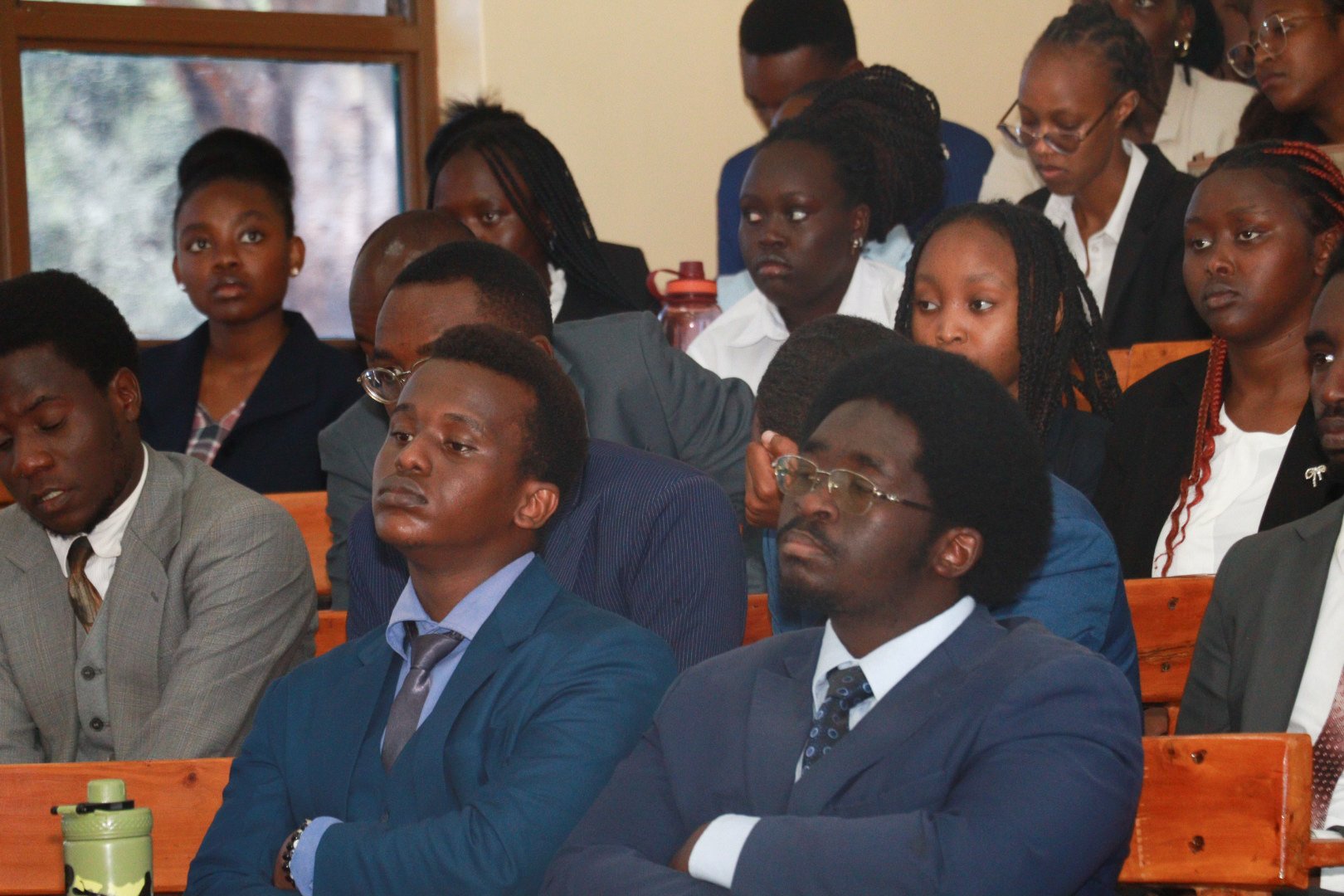
Image: Daystar University Students at the Africa Health Law sponsored moot on medical negligence and the right to health
1. Medical Negligence: Beyond Bad Outcomes
One of the most striking lessons from the moot was the clear legal distinction between an unfortunate medical outcome and actionable negligence. The problem revolved around prolonged labour, delayed medical intervention, and the eventual diagnosis of Hypoxic Ischemic Encephalopathy (HIE), resulting in permanent disability.
Participants were required to dissect the classic elements of negligence:
1. The existence of a duty of care, arising from the doctor–patient relationship.
2. Breach of that duty, measured against accepted professional standards.
3. Causation, linking the breach to the injury suffered.
4. Damage, encompassing physical, emotional, and economic harm.
The moot reinforced the continued relevance of the Bolam test, as refined by Bolitho, which demands not only conformity with a responsible body of medical opinion but also that such opinion be logical and defensible. Kenyan courts have consistently adopted this approach, ensuring that clinical discretion does not become a convenient shield for substandard care.
Key takeaway:
Medical professionals are not insurers of perfect outcomes, but they are legally accountable for unreasonable delays, inadequate monitoring, and ignoring red flags.

2. The Right to Health as a Justiciable Right
A defining feature of the moot was its strong emphasis on the constitutionalisation of health law. Participants examined how negligent medical care may transcend private law claims and amount to violations of fundamental rights.
The moot problem drew attention to key constitutional provisions, including:
1. Article 43(1)(a) – the right to the highest attainable standard of health.
2. Article 28 – the right to human dignity.
3. Article 26 – the right to life.
4. Article 53 – the child’s right to basic healthcare and the principle of the best interests of the child.
Importantly, students grappled with the reality that private healthcare institutions are not constitution-free zones. Under Articles 20 and 21 of the Constitution, private hospitals bear obligations to respect, protect, and fulfil fundamental rights. International instruments such as the ICESCR, the African Charter, and the Convention on the Rights of the Child further enriched the rights-based analysis.
Decisions such as L.N.M v Attorney General and Alyne da Silva Pimentel v Brazil underscored that failures in maternal healthcare; especially where harm is preventable can amount to systemic human rights violations.
Key takeaway: Healthcare negligence can trigger constitutional remedies, particularly where dignity, life, and maternal and neonatal health are compromised.
3. Institutional and Vicarious Liability in Healthcare
Another critical lesson from the moot concerned the scope of hospital liability. Participants explored the principle that hospitals owe patients a non-delegable duty of care and may be held vicariously liable for the negligent acts or omissions of doctors, nurses, and other staff acting within the course of their employment.
This analysis reinforced the idea that patient safety is not merely an individual professional obligation but an institutional responsibility, encompassing competent staffing, proper supervision, and effective systems of care.
Key takeaway: Accountability in healthcare extends beyond individual practitioners to the institutions that organise, supervise, and profit from medical services.
4. Remedies and the Human Cost of Negligence
Finally, the moot highlighted the wide range of remedies available in medical negligence claims. These include general damages for pain and suffering, future medical care costs, and constitutional reliefs under Article 23.
Perhaps most powerfully, the case illustrated the lifelong human cost of negligent maternal care, not only for the affected child but also for caregivers and families whose lives are permanently altered.
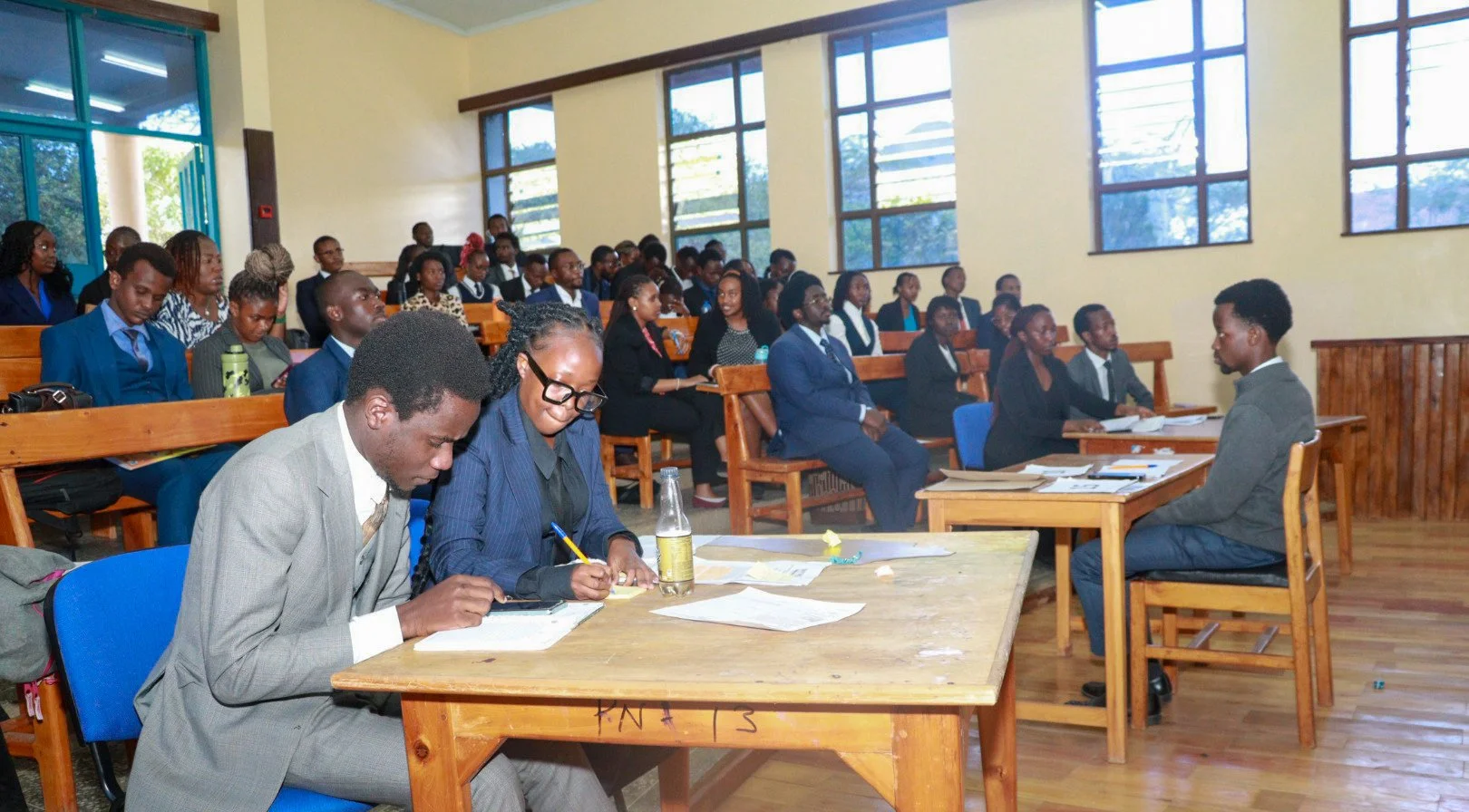
Image: Daystar University Students at the Africa Health Law sponsored moot on medical negligence and the right to health
Conclusion
The Medical Law Moot at Daystar University Law School served as a vital platform for examining how the law balances clinical judgment with patient protection. It reaffirmed that access to quality healthcare is not merely a policy aspiration or ethical ideal, but a legal entitlement, enforceable through courts.
As medical law continues to evolve in Kenya, such academic engagements play a crucial role in shaping rights-conscious, ethically grounded, and socially responsive legal practitioners.
The Medical Law Moot on Health and Medical Negligence was held at Daystar University Law School on 14 November 2025, bringing together students, judges, and practitioners to interrogate complex questions of healthcare accountability.
Author profile
This legal commentary was solely authored by Owen Malingu and reviewed by Dr. Faith Simiyu|Founder(Africa Health Law)